
Elbow Calluses on Dogs: Is It Normal?
Elbow calluses on dogs are common, especially in larger or older pets, and they often develop as a protective response to repeated pressure and friction. When a dog has calloused elbows, the skin thickens over bony areas to shield underlying tissue from hard surfaces. In many cases, a dog elbow callus is not painful and does not signal disease. However, changes in appearance, swelling, or discharge can indicate complications that require medical attention. Pet owners in Terre Haute, IN, who notice new or worsening elbow calluses on dogs should monitor them closely and consult a veterinarian if concerns arise. If you have any concerns about your dog’s calluses, contact Brown Veterinary Hospital at (812) 645-0715.
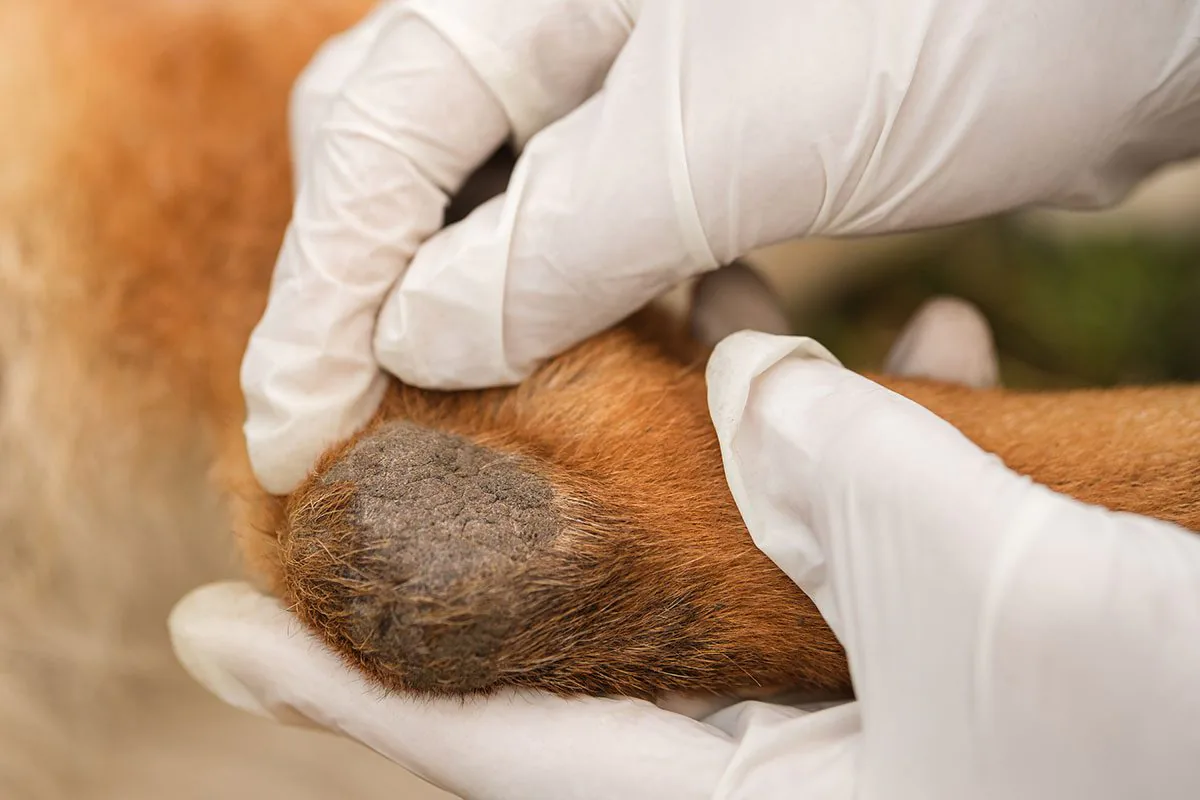
Why Does My Dog Have an Elbow Callus?
Repeated pressure remains the primary reason elbow calluses on dogs form. When dogs lie on firm surfaces, the point of the elbow bears weight, reducing blood flow to the skin and triggering thickened tissue growth. Larger breeds and senior dogs show higher rates because their body weight increases pressure over bony areas. Dogs that spend time on concrete, tile, or hardwood floors face greater friction and impact. Over time, this natural protective process leads to a visible dog elbow callus that feels dry and firm.
Body Weight and Structure
Heavier dogs distribute more force onto joints during rest. Lean body condition also influences pressure points because reduced fat padding leaves elbows less cushioned. Breeds with prominent elbows often develop elbow calluses in dogs earlier in life. Aging compounds the issue as muscle mass declines and skin elasticity decreases. These factors together explain why many pet owners notice a dog has calloused elbows during midlife or later.
Lifestyle and Environment
Dogs that prefer cool, hard floors often experience ongoing elbow friction. Outdoor dogs that rest on patios or decks show similar skin changes. Activity level plays a role because active dogs lie down frequently after exercise, increasing elbow contact with surfaces. Bedding type influences outcomes, as thin padding fails to distribute pressure evenly. These environmental factors commonly contribute to elbow calluses on dogs across many households.
What Does a Dog Elbow Callus Look Like?
A dog elbow callus appears as a hairless, thickened patch of gray or darkened skin over the elbow joint. The surface often feels rough, dry, or slightly raised compared to surrounding fur-covered areas. Mild cases remain flat and stable in size. When a dog has calloused elbows, the area may look symmetrical on both sides. Texture and color changes alone do not automatically indicate a problem.
Common visual features include:
- Thick, leathery skin texture
- Hair loss over the elbow point
- Darkened or grayish coloration
- Clearly defined edges
- No obvious pain when touched in the early stages
When Are Elbow Calluses on Dogs a Concern?
Most elbow calluses on dogs remain harmless, yet certain signs signal potential complications. Cracking can allow bacteria to enter the skin, leading to infection. Swelling or fluid buildup may indicate a hygroma, which develops when repeated trauma causes a fluid-filled pocket over the elbow. Redness, warmth, or discharge suggests inflammation. If a dog elbow callus becomes painful, enlarges rapidly, or bleeds, prompt evaluation becomes important.
Signs That Need Veterinary Attention
- Rapid increase in size
- Open sores or bleeding
- Oozing fluid or foul odor
- Noticeable pain or limping
- Swelling that feels soft or fluid-filled
- Skin that appears red, warm, or inflamed
These changes suggest the condition has moved beyond a simple protective thickening of skin.
Possible Complications of Dog Elbow Calluses
A dog elbow callus can progress to secondary issues when constant pressure continues without relief. Hygromas represent one of the most frequent complications and can rupture or become infected. Chronic inflammation may lead to thick, crusted lesions that split open. Infection can extend deeper into tissue, causing cellulitis or abscess formation. Early intervention reduces the chance of these advanced conditions.
Complications veterinarians watch for include:
- Elbow hygromas
- Bacterial skin infections
- Ulcerated or open wounds
- Thick scar tissue formation
- Pain that alters the normal resting posture
How Veterinarians Evaluate Elbow Calluses on Dogs
Veterinarians begin with a physical exam to assess size, texture, and pain level. They determine whether the dog’s elbow callus involves only surface skin or deeper structures. Diagnostic tools may include fine needle aspiration if fluid accumulation suggests a hygroma. Cytology or culture helps identify infection. These steps allow the care team to create an appropriate medical plan tailored to the dog’s condition.
Your veterinarian may assess:
- Thickness and firmness of the tissue
- Presence of fluid pockets
- Skin integrity and cracking
- Signs of discomfort during joint movement
- Overall mobility and body condition
Supporting Skin Health in Dogs With Calloused Elbows
Veterinary teams often recommend strategies that reduce continued pressure on elbows. Weight management can lower joint stress in dogs with excess body mass. Joint health assessments may help identify mobility issues that cause uneven resting postures. Monitoring skin integrity remains important because early detection of cracks or irritation prevents complications. Routine wellness visits help track changes over time.
Local Care for Dogs in Terre Haute, IN
Seasonal weather in Indiana influences where dogs choose to rest. Cold winter floors and shaded summer patios both encourage lying on hard surfaces. Pet owners may notice elbow calluses on dogs more during temperature extremes. Regular exams allow early identification of skin changes before complications develop. Brown Veterinary Hospital supports preventive care and skin evaluations for dogs in the Terre Haute community.
Concerned About Your Dog’s Elbow Callus? Call for Guidance
Changes in elbow calluses on dogs should never be ignored, especially if swelling, discharge, or discomfort appear. A veterinary exam clarifies whether a dog has calloused elbows that remain harmless or require treatment. Early care supports comfort and reduces the chance of infection or deeper injury. Call (812) 645-0715 for more information or to request an appointment with Brown Veterinary Hospital.
Recent Posts
About Brown Veterinary Hospital
We are here to serve as your partner in keeping your four-legged family member healthy, ensuring you have all the tools you need to provide them with a lifetime of outstanding care. Our animal hospital in Terre Haute offers a full range of services to nurture and extend your pet’s life, from wellness and preventative care to critical care, exotic pet care, and dermatology.