
Why Is My Dog Licking the Air? What This Unusual Behavior Can Mean
If you find yourself asking, “Why is my dog licking the air?” you are noticing a behavior that often points to an underlying medical or behavioral issue rather than a harmless quirk. Dog licking the air, sometimes described as a dog flicking his tongue repeatedly at nothing, can relate to nausea, dental discomfort, neurological changes, or anxiety-driven behaviors. While an occasional tongue flick may occur during normal scenting or tasting, frequent or frantic episodes deserve attention. This behavior acts as a communication signal from your dog’s body that something feels off. Prompt evaluation helps identify the cause and supports earlier, more effective care.
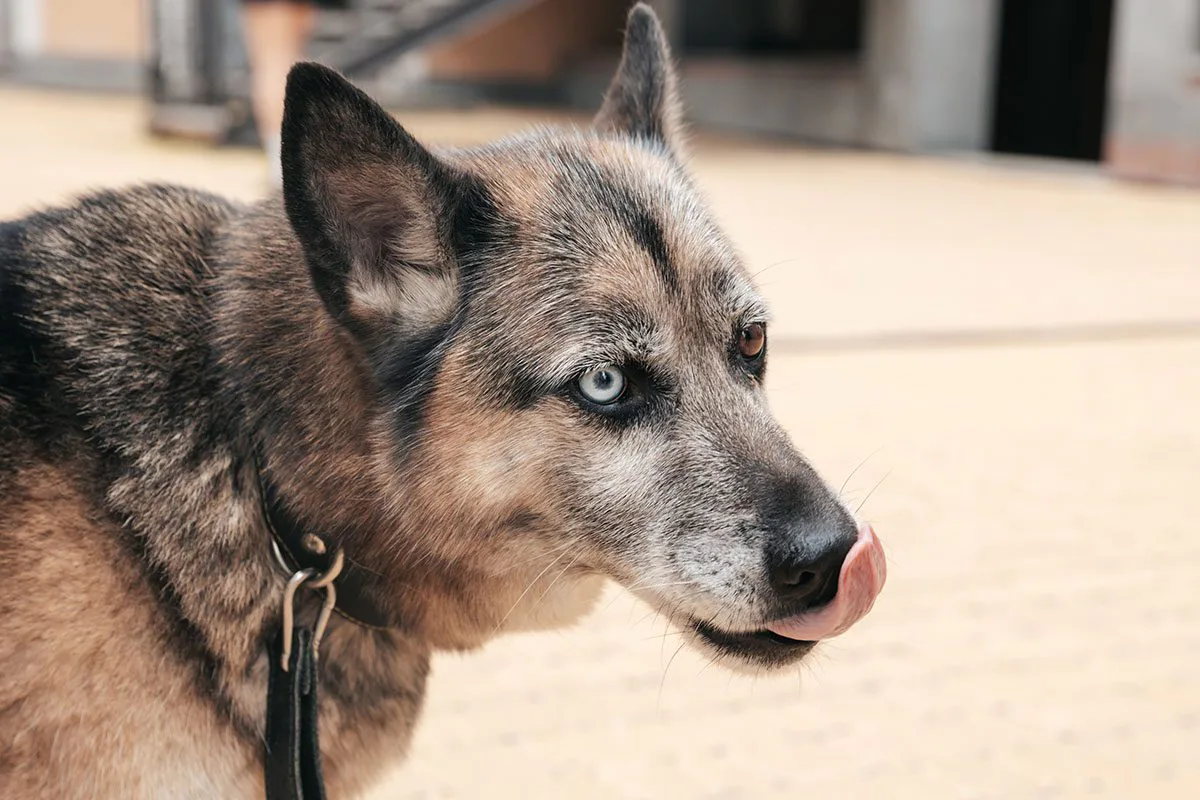
Why Is My Dog Licking the Air Like Crazy?
When a dog starts licking the air persistently, the behavior often connects to sensations in the mouth, throat, or stomach. Dogs use their tongues to explore taste and scent particles through the vomeronasal organ, so subtle internal discomfort can trigger repeated tongue movements. In many cases, pet owners first notice their dog licking the air during rest or quiet moments when other distractions fade. The pattern, frequency, and surrounding symptoms help narrow the cause. Observing when episodes occur gives your veterinary team valuable diagnostic clues.
Gastrointestinal Upset and Nausea
Digestive irritation ranks among the most common medical explanations for dogs licking the air. Nausea can create excess saliva, lip-smacking, and repetitive tongue movements as your dog attempts to manage the sensation. You might also see drooling, grass eating, vomiting, or decreased appetite alongside this behavior. Conditions such as gastritis, dietary indiscretion, pancreatitis, inflammatory bowel disease, or acid reflux can all contribute. Dogs experiencing nausea often appear restless or uncomfortable between licking episodes.
Dental Disease and Oral Pain
Problems inside the mouth frequently lead to air licking because oral pain stimulates abnormal tongue motion. Tartar buildup, gingivitis, fractured teeth, oral ulcers, or foreign material lodged along the gumline can cause discomfort that your dog tries to relieve. A dog flicking his tongue may also paw at the mouth, drop food, chew on one side, or resist face handling. Bad breath and visible redness along the gums add further clues. Dental disease progresses quietly, so behavioral changes often serve as early warning signs.
Neurological Causes and Focal Seizures
In some cases, a dog licking the air stems from neurological activity rather than digestive or dental discomfort. Focal seizures, sometimes called partial seizures, can produce repetitive facial movements, fly-biting motions, or sudden tongue flicking without full-body convulsions. These episodes may last seconds to minutes and can occur in clusters. Dogs might appear briefly disoriented, stare into space, or act unusually before or after the event. Neurological causes require prompt veterinary assessment to determine appropriate diagnostics.
Behavioral Factors and Anxiety
Not every case of dog licking the air has a physical origin. Stress, anxiety, compulsive tendencies, or attention-seeking can lead to repetitive tongue movements as well. Dogs under environmental stress may pair air licking with pacing, panting, whining, or avoidance behaviors. Changes in routine, new environments, loud noises, or separation can trigger episodes. A full medical workup helps rule out pain or illness before focusing on behavioral support strategies.
What Other Symptoms Should You Watch For?
When evaluating why your dog is licking the air, associated signs provide critical insight. Seemingly small changes often point toward the body system involved. Tracking these details helps your veterinary team build a more accurate diagnostic plan.
Common accompanying signs include:
- Lip smacking or excessive swallowing
- Drooling or foamy saliva
- Vomiting or diarrhea
- Pawing at the mouth or face
- Head shaking or facial sensitivity
- Sudden behavior changes or confusion
- Reduced appetite or difficulty chewing
If multiple symptoms occur together, the likelihood of an underlying medical issue increases. Behavioral air licking rarely appears completely isolated from context or triggers.
How Veterinarians Diagnose Dog Licking the Air
A thorough veterinary evaluation focuses on identifying the root cause rather than suppressing the symptom alone. Your veterinarian will start with a detailed history, including diet changes, toxin exposure risks, recent stressors, and timing of episodes. A full physical examination assesses the mouth, abdomen, and neurological function. Depending on findings, diagnostics may include bloodwork, urinalysis, dental imaging, abdominal imaging, or neurological testing. Video recordings of episodes at home can greatly assist in distinguishing seizure activity from behavioral patterns.
Diagnostic steps may include:
- Oral examination under magnification or sedation if needed
- Blood tests to assess organ function and inflammation
- Abdominal imaging to evaluate digestive organs
- Neurological assessment and possible referral if seizures are suspected
Each test narrows possibilities and guides targeted treatment decisions. Early investigation often prevents worsening discomfort or complications.
When Is a Dog Licking the Air an Emergency?
Some situations call for immediate veterinary attention. Air licking paired with neurological changes, toxin exposure, or severe gastrointestinal signs requires urgent care. Rapid response improves outcomes and reduces the risk of progression.
Seek prompt evaluation if your dog shows:
- Seizure-like activity or loss of awareness
- Repeated vomiting or a bloated abdomen
- Sudden collapse or extreme lethargy
- Signs of toxin ingestion
- Painful abdomen or vocalizing discomfort
Even if episodes seem brief, recurring neurological signs should never be ignored. Trust your instincts if behavior appears abnormal for your dog.
What to Expect After Diagnosis
Once your veterinarian identifies why your dog is licking the air, treatment focuses on addressing the underlying issue. Gastrointestinal causes may require dietary adjustments and medical management directed by your veterinary team. Dental disease often improves with professional cleaning and treatment of damaged teeth. Neurological conditions may involve advanced diagnostics and long-term monitoring. Behavioral cases benefit from structured environmental and training plans guided by veterinary professionals.
Monitoring response to treatment remains essential. Keep notes on episode frequency, appetite, energy level, and behavior changes to share during follow-up visits. Consistent communication helps refine care and supports your dog’s comfort.
Concerned About Your Dog’s Behavior?
If you notice your dog licking the air, repeated tongue flicking, or other unusual signs, schedule an evaluation to determine the cause. Brown Veterinary Hospital in Terre Haute provides thorough assessments to help uncover why your dog flicks his tongue and how to address it safely. Call (812) 645-0715 for more information or to request an appointment.
Recent Posts



About Brown Veterinary Hospital
We are here to serve as your partner in keeping your four-legged family member healthy, ensuring you have all the tools you need to provide them with a lifetime of outstanding care. Our animal hospital in Terre Haute offers a full range of services to nurture and extend your pet’s life, from wellness and preventative care to critical care, exotic pet care, and dermatology.