
IBS in Dogs: Symptoms, Causes, and Veterinary Care
IBS, or irritable bowel syndrome, describes a chronic functional disorder of the large intestine that leads to recurring digestive upset without a detectable structural disease. Dogs with IBS experience cycles of diarrhea, urgency, mucus in the stool, and abdominal discomfort that return over time rather than resolving completely. Unlike occasional stomach upset, IBS in dogs follows a pattern of flare-ups and calmer periods that may confuse pet owners. Veterinarians diagnose this condition only after ruling out infections, parasites, food-responsive disease, and inflammatory bowel disease. Early evaluation supports comfort and helps create a long-term management plan tailored to the individual dog and their lifestyle.
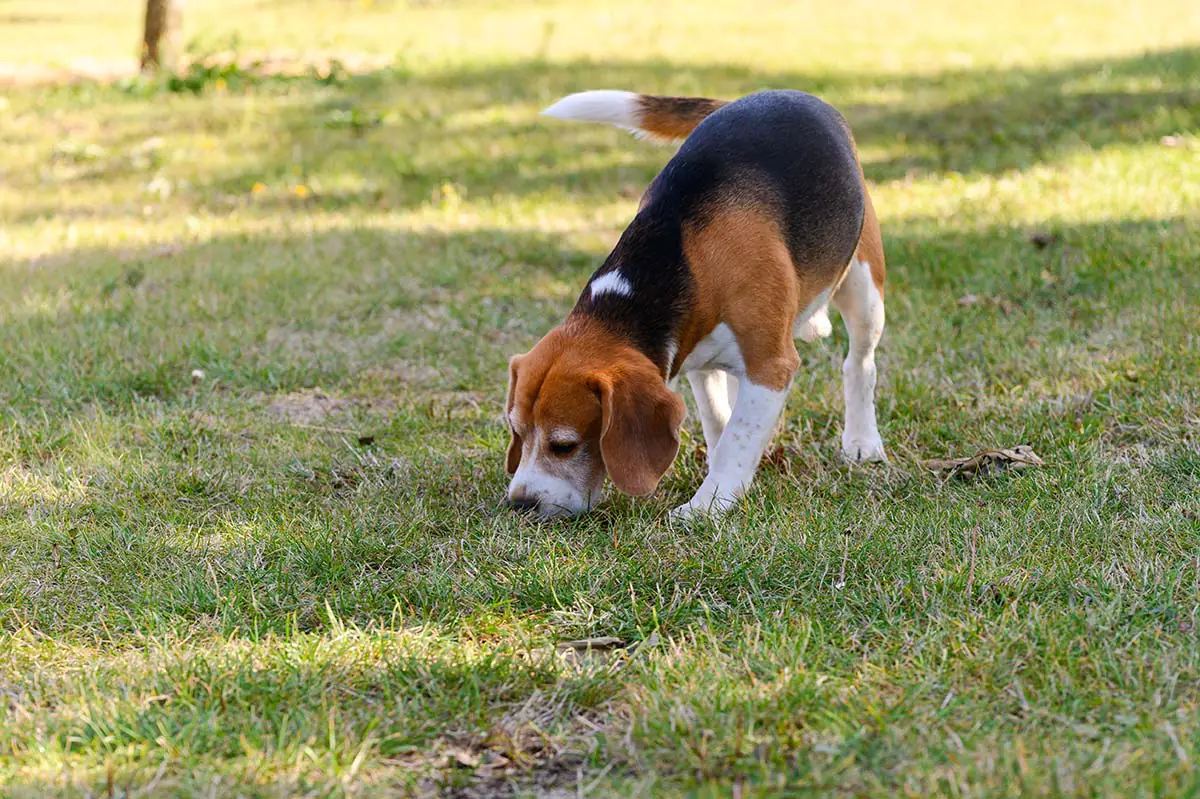
What Causes IBS in Dogs?
IBS in dogs develops from abnormal motility and increased sensitivity within the colon. The intestinal muscles contract irregularly, and the nerves lining the digestive tract overreact to normal stimulation such as stress, food movement, or routine changes. This response leads to spasms, inflammation, and inconsistent stool formation. Veterinarians classify irritable bowel syndrome in dogs as a functional disorder because diagnostic tests often appear normal even when symptoms continue. Multiple physical and environmental influences can contribute to these abnormal digestive responses, and triggers often overlap rather than stem from a single cause.
Common Contributing Factors
- Chronic stress that affects communication between the brain and digestive tract
- Dietary intolerances that irritate the colon lining
- Disruptions in the balance of intestinal bacteria
- Previous gastrointestinal infections that change gut sensitivity
Symptoms of IBS in Dogs
Dogs with IBS usually show signs linked to the lower digestive tract rather than the stomach or small intestine. Episodes often come and go, which may delay recognition of a pattern. Stool frequently appears soft, poorly formed, or coated with mucus, and bowel movements may occur more often than usual. Some dogs strain or show urgency, even when only small amounts of stool pass. Many dogs maintain a normal appetite, energy level, and body weight between flare-ups, which can make the condition seem less serious than it feels to the dog.
Digestive signs to watch out for include:
- Increased frequency of bowel movements with small stool volumes
- Urgency or straining during defecation
- Mucus present on the stool surface
- Intermittent diarrhea with otherwise normal behavior
How Veterinarians Diagnose IBS in Dogs
Veterinarians diagnose IBS in dogs through exclusion, which means they first rule out other medical conditions that cause similar symptoms. Chronic parasites, bacterial infections, inflammatory bowel disease, endocrine disorders, and food-responsive enteropathies must be considered. The care team reviews diet history, recent stressors, travel, boarding, and changes in routine that may correlate with symptom onset. Diagnostic testing often includes fecal analysis, blood work, and imaging to evaluate intestinal structure and organ health. When results remain within normal limits and clinical signs match large-bowel dysfunction, irritable bowel syndrome in dogs becomes more likely.
Diagnostic steps may include:
- Fecal testing to identify parasites or infectious organisms
- Blood testing to evaluate organ function and systemic inflammation
- Abdominal radiographs or ultrasound imaging
- Detailed diet and lifestyle review
IBS vs. Inflammatory Bowel Disease
Pet owners often confuse IBS in dogs with inflammatory bowel disease because both conditions affect digestion and can cause diarrhea. IBS involves altered motility and nerve sensitivity without visible damage to intestinal tissue. Inflammatory bowel disease involves immune-driven inflammation that thickens the intestinal lining and interferes with nutrient absorption. Dogs with inflammatory bowel disease more often lose weight, vomit, or appear systemically ill. Dogs with IBS generally maintain stable weight and show signs mainly related to the colon, such as mucus and urgency. Accurate diagnosis ensures the management approach fits the underlying condition rather than relying on assumptions.
What Triggers Flare-Ups in Dogs With IBS?
Dogs with IBS frequently experience symptom cycles influenced by environment, routine, and emotional state. Travel, new household members, loud environments, or changes in daily schedules can disrupt normal digestive patterns. Sudden diet changes or exposure to unfamiliar foods may irritate the colon lining and worsen symptoms. Stress affects the communication between the nervous system and digestive tract, which plays a significant role in irritable bowel syndrome in dogs. Tracking timing, diet, and life events around flare-ups helps veterinarians identify patterns and recommend practical adjustments.
Situation that may precede episodes include:
- Boarding or travel
- Changes in feeding routine
- Household disruptions or new pets
- Emotional stress or anxiety-provoking events
Long-Term Management of IBS in Dogs
Veterinary management focuses on stabilizing digestion, reducing colon irritation, and supporting consistent bowel habits. A predictable feeding schedule often helps regulate intestinal motility and reduce sudden changes in stool quality. Some dogs with IBS respond well to nutrition plans formulated for digestive sensitivity, while others benefit from gradual diet transitions that minimize colon irritation. Veterinarians monitor stool quality, frequency, and comfort over time to evaluate response. Regular rechecks allow adjustments that help maintain stability and reduce the intensity of flare-ups.
Goals of Ongoing Care
- Reduce the frequency of diarrhea episodes
- Improve stool consistency and control
- Decrease abdominal cramping and urgency
- Support steady digestive function over time
Why Early Evaluation Matters
Chronic diarrhea never represents a normal finding, even when a dog otherwise seems bright and active. IBS in dogs shares symptoms with more serious gastrointestinal disorders that require different medical approaches. Blood in stool, persistent vomiting, lethargy, fever, or weight loss require prompt evaluation to rule out conditions beyond functional bowel changes. Early assessment helps prevent dehydration and nutrient imbalance that may develop with ongoing digestive upset. Professional guidance also avoids unnecessary guesswork when symptoms continue or return.
Support for Dogs With IBS in Terre Haute, IN
Digestive disorders affect comfort, behavior, and daily life for both dogs and their families. Brown Veterinary Hospital provides diagnostic testing and long-term care strategies for dogs with IBS and other gastrointestinal concerns. Ongoing partnership with a veterinary team supports improved quality of life and fewer disruptive flare-ups over time. Call (812) 645-0715 for more information or to request an appointment.
Recent Posts


About Brown Veterinary Hospital
We are here to serve as your partner in keeping your four-legged family member healthy, ensuring you have all the tools you need to provide them with a lifetime of outstanding care. Our animal hospital in Terre Haute offers a full range of services to nurture and extend your pet’s life, from wellness and preventative care to critical care, exotic pet care, and dermatology.