
Dog Ate Chicken Wing Bones: What Now?
If your dog ate chicken wing bones, act quickly and call a veterinarian right away for guidance. Chicken bones can splinter when chewed, which may cause choking, blockages, or internal injuries. Many dogs seem normal at first, but serious problems can develop hours later. Prompt veterinary direction helps you respond safely and reduces the risk of complications. If your dog ate chicken bones and you are unsure what to do, professional advice is the safest next step. Call Brown Veterinary Hospital in Terre Haute, IN, at (812) 645-0715.
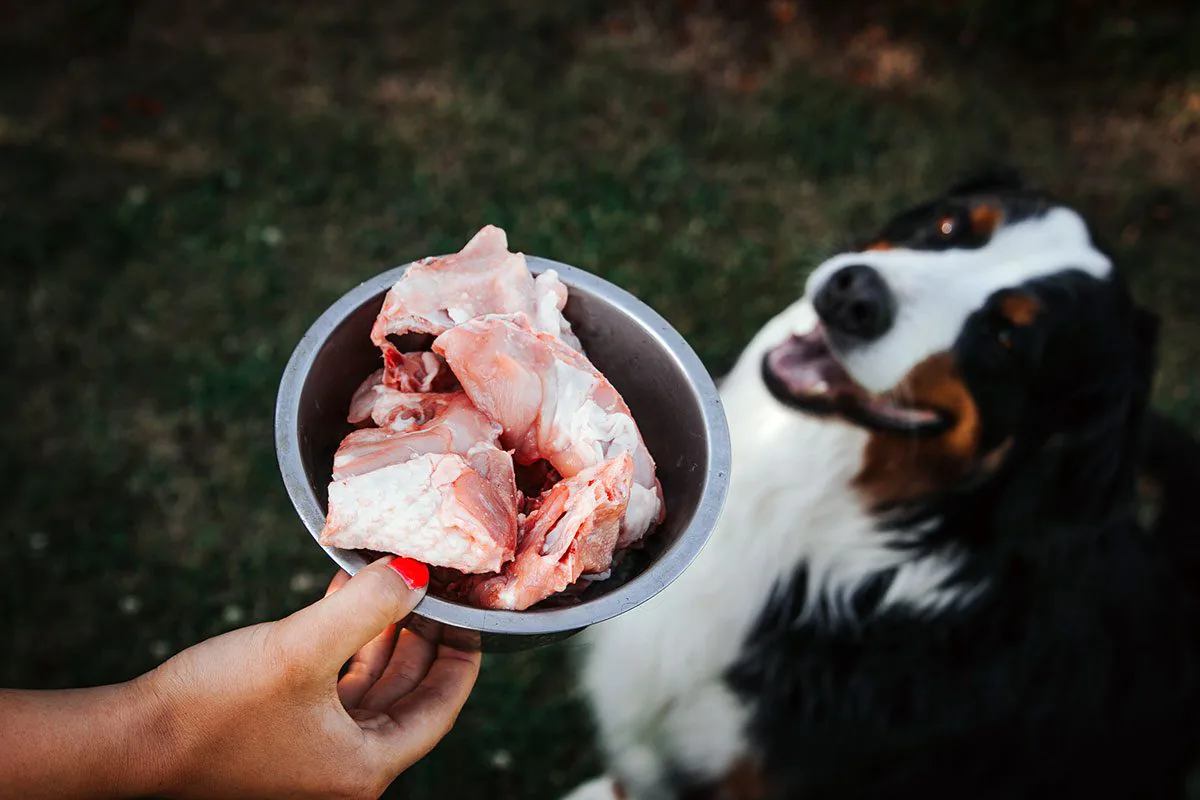
Why Chicken Wing Bones Are So Dangerous for Dogs
Cooked chicken wing bones pose a higher risk than many pet owners realize. Heat changes bone structure and makes bones brittle, which increases the chance of sharp fragments forming when a dog chews. These fragments can scrape or puncture delicate tissues along the mouth, throat, stomach, or intestines. Even small pieces may lodge in narrow areas of the digestive tract. A dog that ate chicken wing bones faces both choking hazards and internal injury risks at the same time.
Bones can also create gastrointestinal blockages. When bone pieces collect together, they may stop food and fluid from passing normally. This obstruction can lead to pain, vomiting, and life‑threatening complications without medical care. Dogs of any size can experience issues, although small breeds often have less room for fragments to pass. Quick action matters because early evaluation gives veterinarians more options to help safely.
What to Do If My Dog Ate Chicken Wing Bones
If your dog ate chicken wing bones, stay calm and focus on gathering details your veterinary team will need. Acting methodically supports better outcomes and prevents panic decisions. Call Brown Veterinary Hospital at (812) 645-0715 for direct guidance based on your dog’s size, health history, and the amount consumed.
Immediate Steps to Take
Follow these general actions while you prepare to speak with a veterinary professional:
- Remove any remaining bones so your dog cannot eat more.
- Check your dog’s mouth carefully for visible fragments if it is safe to do so.
- Note how many bones your dog may have swallowed and when it happened.
- Observe your dog’s breathing, behavior, and comfort level.
- Keep your dog calm and restrict vigorous activity.
Avoid trying to force your dog to vomit or pushing food down in hopes of “padding” the bones. These approaches can worsen injuries or cause choking. A veterinarian will decide the safest plan based on the situation.
Symptoms That Signal an Emergency
Some dogs show distress right away, while others develop symptoms gradually. A dog that ate chicken wing bones may still act normally at first, which can create a false sense of security. Rapid response to warning signs improves the chance of a smoother recovery.
Concerning Signs to Watch For
Seek urgent veterinary care if you notice any of the following:
- Gagging, retching, or repeated attempts to vomit
- Excessive drooling or pawing at the mouth
- Difficulty swallowing or breathing
- Vomiting, especially with blood or dark material
- Abdominal pain, bloating, or restlessness
- Loss of appetite or refusal to drink
- Lethargy or unusual weakness
- Straining to defecate or blood in their stool
These symptoms may indicate a lodged bone, internal irritation, or an obstruction. Delays in care increase the risk of infection, perforation, or severe dehydration.
How Veterinarians Evaluate Dogs That Ate Chicken Bones
Veterinary teams use a structured approach to determine risk and next steps. Your veterinarian will start with a physical exam, checking the mouth, throat, abdomen, and vital signs. They will ask about timing, the type of bones, and any symptoms you have noticed. Clear communication helps guide decision‑making and supports faster care.
Diagnostic imaging often plays a key role. X‑rays help identify bone fragments, blockages, or signs of internal injury. In some cases, ultrasound offers additional detail about soft tissue irritation or fluid buildup. These tools allow veterinarians to see what is happening internally instead of relying on outward signs alone.
Treatment depends on findings and your dog’s stability. Some dogs require close monitoring and supportive care, while others need procedures to remove lodged bones or relieve an obstruction. Early evaluation can reduce the need for more invasive intervention. When pet owners ask what to do after a dog eats chicken bones, the answer often includes timely diagnostics that guide safe treatment decisions.
Why Waiting Can Be Risky
It may feel tempting to “wait and see” if your dog seems comfortable. Unfortunately, internal damage can progress quietly. Small punctures or tears may not cause obvious pain right away, but can lead to infection or inflammation later. Blockages may also worsen as swelling increases around a lodged fragment.
Delays can limit treatment options and make recovery more complicated. Dogs who receive care early often experience smoother outcomes and shorter recovery times. Acting promptly supports your dog’s safety and comfort. When in doubt, calling your veterinary team provides clarity and reassurance.
Protecting Your Dog From Future Bone Hazards
Prevention reduces stress and emergency visits. Many incidents happen during meals, parties, or outdoor gatherings where bones become accessible. Dogs often move quickly, and even a moment of distraction can lead to trouble. Creating consistent habits around food disposal helps protect your pet.
Keep trash secured with tight‑fitting lids or cabinets. Remind guests not to leave plates or scraps within reach. Supervise dogs closely around outdoor grills, picnic areas, or sidewalks where discarded bones may appear. Teaching reliable “leave it” and “drop it” cues adds another layer of safety. These steps support a safer home environment and reduce the chance of another scare.
When to Call Brown Veterinary Hospital
Any time your dog eats chicken wing bones, professional guidance matters. Even if your dog seems comfortable, a quick call allows a veterinary team to assess risk based on size, breed, and health status. Early communication often prevents complications and gives you a clear plan.
Call Brown Veterinary Hospital in Terre Haute, IN, at (812) 645-0715 for more information or to request an appointment. Fast action supports your dog’s health and helps you move forward with confidence.
Recent Posts
About Brown Veterinary Hospital
We are here to serve as your partner in keeping your four-legged family member healthy, ensuring you have all the tools you need to provide them with a lifetime of outstanding care. Our animal hospital in Terre Haute offers a full range of services to nurture and extend your pet’s life, from wellness and preventative care to critical care, exotic pet care, and dermatology.