
Dog Not Putting Weight on Back Leg: Causes and Treatments
A dog not putting weight on its back leg often signals pain, injury, joint disease, or a neurological concern that needs veterinary evaluation. Some dogs develop a sudden limp after play, while others show gradual limping linked to arthritis or ligament damage. The back leg carries significant force during running and jumping, so even minor issues can quickly affect mobility. Prompt assessment helps identify the source of discomfort and protects long-term joint function. If your dog avoids standing, struggles to rise, or cries when the leg moves, schedule an exam right away.
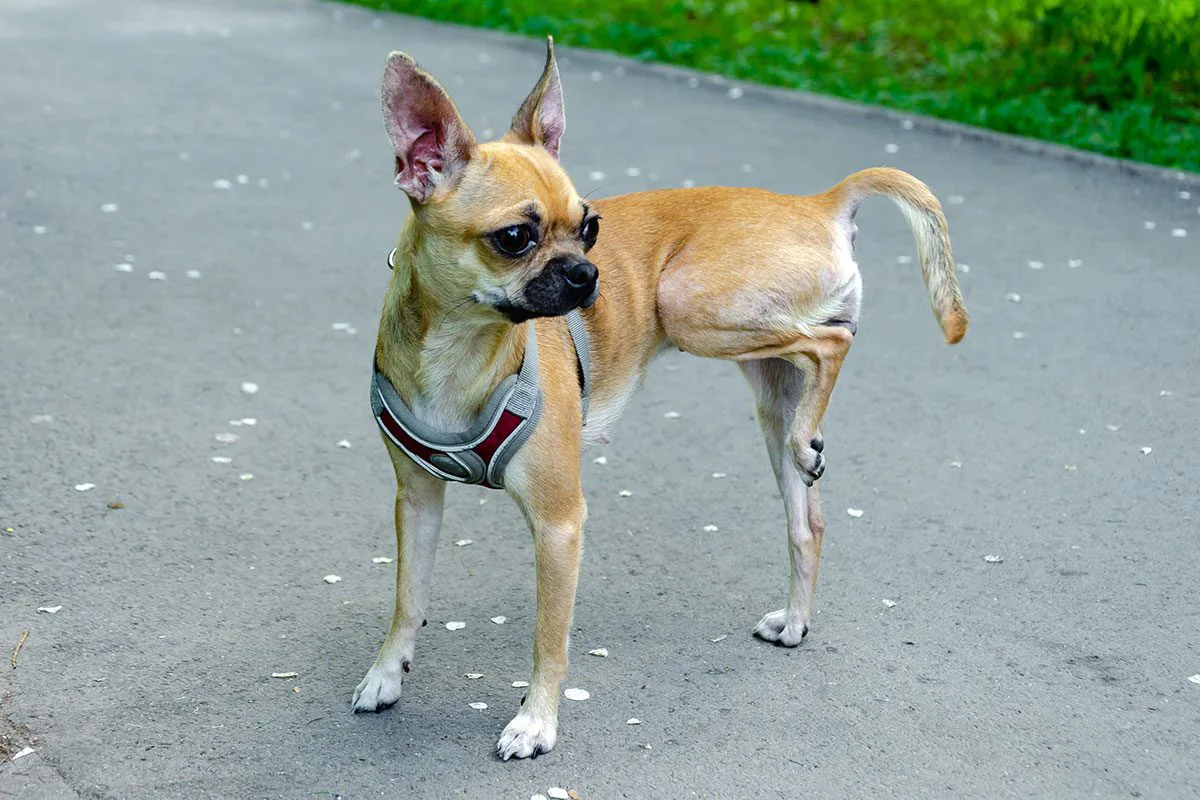
Dog Not Putting Any Weight on Back Leg
When a dog refuses to bear weight on a hind limb, the body shifts stress to other joints and muscles. This compensation can create secondary strain in the hips, spine, and opposite leg. Sudden non-weight-bearing dog limping often indicates an acute injury, while intermittent dog limp patterns may point to chronic orthopedic disease. Dogs sometimes attempt to touch their toes to the ground without fully loading the limb, which still signals discomfort. Veterinary teams evaluate gait, joint range of motion, and pain response to localize the problem. Diagnostic imaging frequently confirms what physical exams suggest.
Common Orthopedic Causes
Orthopedic injury ranks among the top reasons for a dog not putting weight on their back leg. These conditions affect bones, joints, ligaments, and tendons that stabilize movement and absorb impact. Many arise from normal activities like running, jumping, or slipping on slick floors. Others develop through age-related joint wear that slowly changes limb alignment. These problems often worsen without timely treatment, leading to muscle loss and reduced mobility.
- Cranial cruciate ligament (CCL) tears that destabilize the knee joint and cause sudden lameness
- Hip dysplasia that alters hip socket alignment and produces chronic inflammation
- Patellar luxation, where the kneecap shifts out of place and disrupts normal tracking
- Fractures involving the femur, tibia, or pelvis that prevent safe weight-bearing
Why Is My Dog Limping?
Pet owners often ask, “Why is my dog limping all of a sudden?” A dog limp can stem from trauma, inflammation, infection, or degenerative disease affecting joints, muscles, or nerves. Some cases look mild at first, yet worsen without treatment as inflammation increases. Pain causes dogs to protect the leg, which explains why they avoid pressure on the limb. You might notice shorter strides, head bobbing, or reluctance to jump into the car. A thorough workup clarifies whether the issue involves soft tissue, bone, or nerve function.
Soft Tissue and Muscle Injuries
Soft tissue damage includes sprains, strains, and bruising that affect muscles, tendons, and ligaments. Active dogs frequently overstretch muscles during abrupt turns, rough play, or high jumps. Swelling and tenderness limit movement and create a noticeable dog limp that may shift from day to day. Scar tissue and inflammation can linger even when the surface looks normal. Veterinary guidance supports proper healing and helps prevent repeat injury that can become chronic.
Neurological or Systemic Causes
Not every dog limping case involves joints or bones. Nerve compression in the spine can weaken a limb and alter gait without visible swelling. Conditions such as intervertebral disc disease may cause sudden back leg dysfunction or trembling. Systemic illness, including tick-borne disease or immune-mediated inflammation, also triggers shifting lameness patterns that move between legs. Fever, lethargy, or appetite changes sometimes accompany these conditions. These causes require broader diagnostic testing beyond orthopedic evaluation.
How Veterinarians Diagnose Hind Leg Lameness
Veterinary exams for a dog not putting weight on the back leg follow a structured approach designed to pinpoint pain and instability. Teams collect a detailed history covering onset, activity level, and prior injuries to narrow possibilities. They observe walking and standing posture to detect subtle imbalance or guarding behavior. Hands-on assessment identifies joint instability, swelling, heat, or muscle loss that suggests chronic strain. Imaging studies and laboratory tests help confirm underlying causes and rule out infection or systemic disease.
Diagnostic steps often include:
- Orthopedic palpation to evaluate pain points and joint stability
- Neurological screening to check reflexes, sensation, and coordination
- X-rays to visualize bone structure, joint alignment, and arthritic change
- Advanced imaging, such as ultrasound or CT, in complex or unclear cases
Treatment Options for Dogs with Hind Leg Lameness
Treatment depends on the underlying cause, severity, and the dog’s age and lifestyle. Some dogs improve with structured rehabilitation and controlled exercise plans that rebuild strength safely. Others require surgical correction to restore stability and comfort when ligaments or bones fail to support the joint. Early intervention improves long-term outcomes and reduces the risk of chronic joint damage. Veterinary teams tailor care plans to each patient’s needs and monitor progress closely.
Common professional treatments include:
- Surgical repair for ligament tears or fractures to stabilize the limb
- Physical rehabilitation to rebuild strength, flexibility, and balance
- Weight management programs to reduce joint strain and inflammation
- Anti-inflammatory therapies administered under veterinary supervision
When to Seek Immediate Veterinary Care
A dog not putting weight on its back leg needs urgent attention when the pain appears severe or sudden. Swelling, deformity, or visible wounds signal a possible fracture or dislocation that requires immediate imaging. Neurological signs such as dragging the paw, knuckling over, or loss of bladder control require emergency assessment. Vocalizing, rapid breathing, or collapse indicate significant distress. Delaying care increases the chance of long-term mobility issues. Rapid diagnosis protects comfort and function.
Support Your Dog’s Mobility with Expert Care
A dog not putting weight on its back leg rarely resolves without professional evaluation, especially when a dog avoids using the limb completely. Identifying the cause early allows targeted treatment and reduces the chance of permanent joint damage. Brown Veterinary Hospital in Terre Haute, IN, provides diagnostic expertise and compassionate support for dogs with mobility concerns. Our team focuses on restoring comfort while protecting long-term movement and joint health. Call (812) 645-0715 for more information or to request an appointment.
Recent Posts

About Brown Veterinary Hospital
We are here to serve as your partner in keeping your four-legged family member healthy, ensuring you have all the tools you need to provide them with a lifetime of outstanding care. Our animal hospital in Terre Haute offers a full range of services to nurture and extend your pet’s life, from wellness and preventative care to critical care, exotic pet care, and dermatology.