
How to Litter Train a Kitten
Bringing a kitten into your home is exciting, but it also comes with responsibilities. One of the first skills your new companion needs to learn is how to use the litter box. Many pet owners wonder how to litter train a kitten without stress, and the good news is that with the right setup, patience, and consistency, most kittens learn quickly. This blog will walk you through everything you need to know, from choosing the right supplies to building a positive routine that makes litter training easier for both you and your kitten.
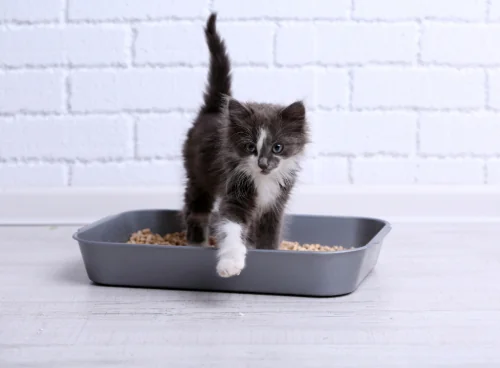
Why Litter Training Matters
When you bring a young cat home, you want them to feel comfortable and confident. Teaching them how to litter train a kitten is about more than keeping your home clean. It gives your kitten a sense of routine and security. Cats naturally prefer to bury their waste, but they need guidance to connect that instinct with the litter box you provide. Establishing good habits early makes life simpler and helps prevent accidents in the future.
Choosing the Right Litter Box
Before you begin teaching your kitten, it’s important to choose the right supplies. Not all litter boxes are created equal, and your kitten’s comfort depends on a setup that suits their size and needs.
Size and Accessibility
A large box might be intimidating for a tiny kitten. Start with a shallow pan that allows them to step in and out with ease. As your kitten grows, you can transition to a larger box.
Covered vs. Uncovered
Some cats like privacy, while others may avoid boxes with lids. In the beginning, uncovered litter boxes often work best because your kitten can easily see and access the area.
Number of Boxes
A good rule is to provide one box per cat, plus one extra. If you live in a multi-story home, keep a box on each level so your kitten always has one nearby.
Selecting the Right Litter
Another key step in how to litter train a kitten is choosing the type of litter. Kittens can be particular, and experimenting with a few options may be necessary.
Clumping vs. Non-Clumping
Non-clumping litter is often recommended for very young kittens since they sometimes try to taste the litter. Once your kitten matures, you can switch to clumping litter, which is easier to clean.
Texture and Scent
Cats have sensitive noses and paws. Unscented litter with a soft, sand-like texture is usually preferred. Strongly scented products may discourage your kitten from using the box.
Location of the Litter Box
Even with the right box and litter, placement is essential. A poor location can discourage your kitten from using it.
Quiet and Accessible Areas
Choose a quiet, low-traffic area where your kitten won’t be startled. At the same time, make sure it’s easy for them to reach at all times.
Avoid Food and Water Bowls
Cats naturally avoid eliminating near their food and water. Keep the litter box in a separate area to prevent stress or confusion.
Consistency
Once you pick a location, try not to move the box. Kittens rely on consistency to learn quickly, and moving the box frequently can cause setbacks.
Steps to Litter Train a Kitten
Now that you have the right setup, it’s time to focus on the actual training process.
- Introduce the Box Immediately: When your kitten arrives home, gently place them in the litter box. Do this after meals, naps, and playtime to help them associate the box with elimination.
- Encourage Exploration: Allow your kitten to sniff and dig in the litter. Their natural instincts will guide them, but your encouragement helps reinforce the behavior.
- Praise and Reinforce: Whenever your kitten uses the box successfully, offer gentle praise. Positive reinforcement builds confidence and makes your kitten more likely to repeat the behavior.
Common Challenges and How to Handle Them
Even with preparation, you may encounter small bumps along the way. Understanding how to litter train a kitten includes knowing how to respond when things don’t go perfectly.
Accidents Outside the Box
Kittens may have accidents while learning. If this happens, clean the area thoroughly to remove any lingering odors that could draw them back. Avoid punishment, as it can create fear and make the problem worse.
Reluctance to Use the Box
If your kitten avoids the box, double-check the location, cleanliness, and type of litter. Small adjustments often make a big difference.
Multi-Cat Homes
If you have other cats, make sure each one has their own box. Territorial behavior can sometimes discourage kittens from using a shared space.
Teaching Good Cleaning Habits
A big part of how to litter train a kitten is maintaining a clean environment. Cats are sensitive to smells, and a dirty box can discourage use.
Daily Scooping
Remove waste at least once a day. Regular scooping helps your kitten feel comfortable returning to the box.
Regular Litter Changes
Replace litter weekly or as recommended on the product packaging. Wash the box with mild, unscented soap to prevent buildup of odors.
Keeping Boxes Fresh in Multi-Cat Homes
If you have more than one cat, boxes may need cleaning more frequently. A fresh litter box encourages consistent use.
Helping Kittens Transition as They Grow
Litter training doesn’t end once your kitten learns the basics. Their needs evolve as they grow, and you’ll want to support them through those changes.
Switching to Larger Boxes
As your kitten grows, replace shallow pans with larger boxes to provide enough room for digging and turning.
Introducing Different Litters
You may experiment with different litter types as your kitten matures. Make gradual transitions to avoid confusing them.
Maintaining Positive Habits
Even as an adult, your cat relies on consistency. Keeping boxes clean, accessible, and in familiar places ensures long-term success.
Building a Positive Routine for Success
The key to how to litter train a kitten is patience, consistency, and positive reinforcement. With the right setup, most kittens catch on quickly. Setting them up for success in the beginning makes life easier and builds a strong bond between you and your pet. If you need additional guidance or want expert advice tailored to your kitten, Brown Veterinary Hospital in Terre Haute, IN is here to help. Call 812-645-0715 or book an appointment online today. We’d love to support you and your kitten as they grow!
Recent Posts
About Brown Veterinary Hospital
We are here to serve as your partner in keeping your four-legged family member healthy, ensuring you have all the tools you need to provide them with a lifetime of outstanding care. Our animal hospital in Terre Haute offers a full range of services to nurture and extend your pet’s life, from wellness and preventative care to critical care, exotic pet care, and dermatology.