
Signs of Kennel Cough in Dogs: What Every Owner Should Notice Early
The most common signs of kennel cough in dogs include a persistent dry hacking cough, throat irritation, sneezing, nasal discharge, and mild lethargy. Many owners describe the sound as if their dog is trying to clear something from their throat. A dog with kennel cough often acts fairly normal at first, which can make the condition seem less serious than it is. Symptoms can appear suddenly, especially after boarding, grooming, daycare, or dog park visits. Early recognition helps protect your dog and limits the spread to others.
Kennel cough, also called canine infectious respiratory disease, spreads easily in places where dogs gather. Viruses and bacteria irritate the upper airway, leading to inflammation in the trachea and bronchi. The condition resembles a human chest cold, but dogs cannot tell us when their throat hurts. Owners must rely on visible and audible changes. Knowing what to watch for makes a difference.
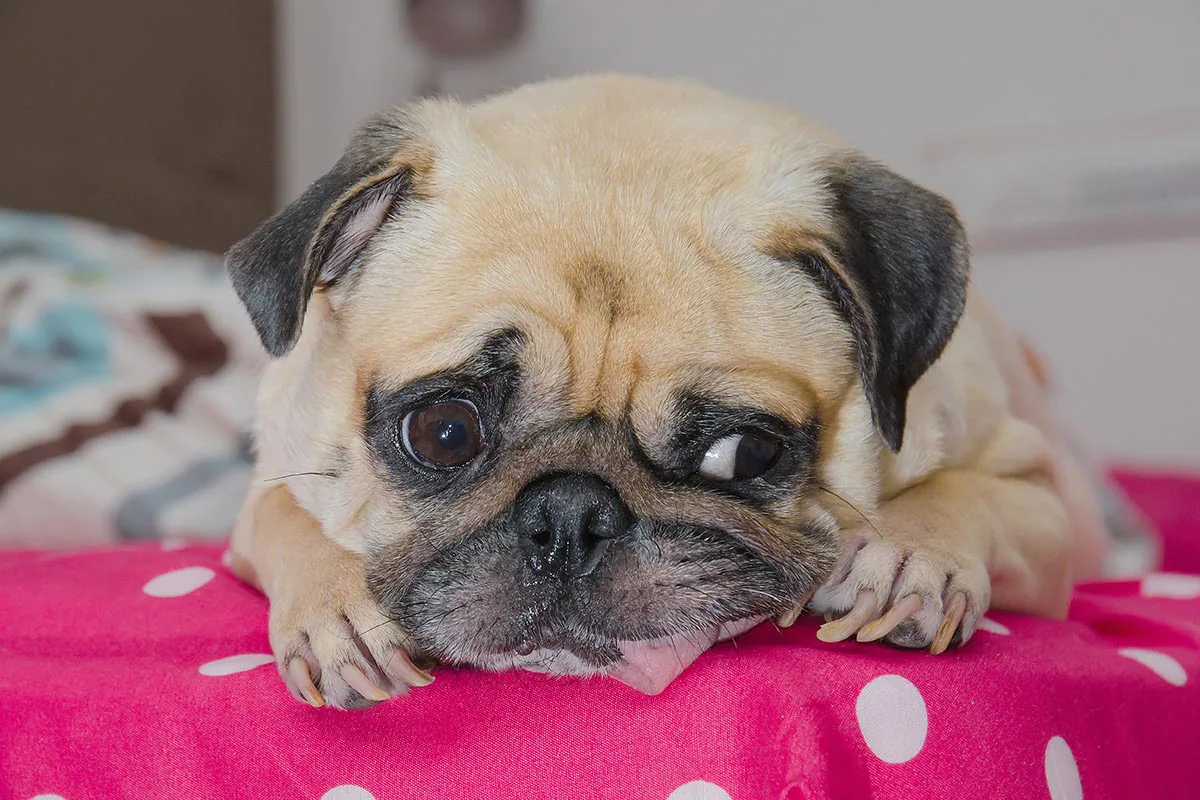
What Are the First Signs of Kennel Cough in Dogs?
Early signs often start subtly, then become more obvious within a day or two. Many dogs develop symptoms after recent exposure to other dogs, even if all pets appeared healthy at the time. Stress from travel or boarding can also make the immune system less resilient. Owners may first think their dog has something stuck in their throat. Close observation helps separate kennel cough from other issues.
A dog with kennel cough may show:
- A dry, honking cough that worsens with excitement or activity
- Gagging or retching after coughing
- A tickling sound or throat-clearing behavior
- Mild eye discharge or a runny nose
- Slight decrease in energy, while still eating and drinking
These early signs of kennel cough in dogs often appear without fever. Dogs usually continue to wag their tails and stay interested in their surroundings. Because symptoms can look mild, some owners delay care. Monitoring changes closely prevents complications.
How Does Kennel Cough Sound?
The cough itself often provides the biggest clue. Owners frequently say it sounds harsh, repetitive, and unproductive. It does not resemble a deep, wet cough that brings up fluid. Instead, it sounds like a goose honk or a forced exhale through a tight airway. Episodes can happen in bursts.
Coughing may intensify:
- After exercise
- When pressure touches the collar area
- During excitement or barking
- At night, when the dog lies down
A dog with kennel cough may cough so hard that it gags or produces foamy saliva. This reaction happens because airway irritation triggers the gag reflex. While alarming, it often comes from inflammation rather than stomach illness. Still, persistent gagging warrants evaluation.
Other Respiratory Changes Owners Should Notice
Kennel cough does not always appear as “just a cough.” The infection can affect multiple parts of the upper respiratory tract. Mild discharge from the nose or eyes can develop as tissues respond to irritation. Some dogs sneeze more frequently than usual. These signs resemble a common cold in people.
You might notice:
- Clear or slightly cloudy nasal discharge
- Watery or mildly crusty eyes
- Occasional sneezing
- Subtle throat swallowing motions
These symptoms often stay mild in healthy adult dogs. Puppies, seniors, and dogs with chronic health issues may experience more intense effects. Any change in breathing effort deserves prompt attention. Fast breathing, labored breaths, or open-mouth breathing signal a more serious concern.
When Does Kennel Cough Become More Serious?
Most cases remain mild, but complications can develop. Bacteria may move deeper into the lungs, leading to pneumonia. This shift changes the pattern of illness. Owners may see appetite loss, marked fatigue, or fever. A dog that once acted normal may suddenly appear withdrawn.
Watch for these warning signs:
- Thick yellow or green nasal discharge
- Loss of appetite
- Lethargy or reluctance to move
- Fever or warm ears and body
- Moist, productive cough
A dog with kennel cough who stops eating or drinking needs veterinary evaluation quickly. Young puppies and older dogs carry a higher risk for complications. Dogs with underlying heart or lung disease also need careful monitoring. Early treatment improves recovery.
How Long Do Signs of Kennel Cough in Dogs Last?
Mild kennel cough often runs its course in one to three weeks. The cough may linger even after the dog feels better because airway tissues take time to heal. Owners sometimes worry when the cough continues, but gradual improvement matters more than immediate resolution. Stress, excitement, or cold air can temporarily trigger coughing fits.
Recovery depends on several factors:
- The dog’s age and immune health
- Exposure to multiple organisms at once
- Underlying respiratory conditions
- Environmental stress
During recovery, limit intense exercise and avoid crowded dog areas. Rest supports healing. Keep track of coughing frequency and overall behavior. If symptoms worsen instead of improve, contact your veterinary team.
How Veterinarians Confirm Kennel Cough
Veterinarians start with a physical exam and health history. They listen to the lungs, evaluate breathing effort, and gently palpate the throat. A distinctive cough often occurs during the exam. Exposure history to other dogs helps guide diagnosis. Many mild cases do not require extensive testing.
If symptoms seem more severe, your veterinarian may recommend:
- Chest radiographs to check the lungs
- Laboratory tests to assess overall health
- Swabs or PCR testing for specific pathogens
These steps help rule out pneumonia or other diseases. Treatment plans focus on easing airway irritation and preventing complications. Follow professional guidance carefully and complete the full course of care.
Preventing the Spread to Other Dogs
Kennel cough spreads through respiratory droplets and contaminated surfaces. A dog with kennel cough can infect others before symptoms fully develop. Isolation plays an important role in prevention. Owners should avoid dog parks, boarding facilities, and grooming appointments during illness.
Protect other pets by:
- Keeping sick dogs at home
- Washing hands after contact
- Cleaning food bowls, bedding, and toys
- Avoiding shared water sources
Vaccination strategies also reduce risk, though no vaccine prevents every strain. Regular preventive care helps keep the immune system strong. Discuss your dog’s lifestyle with your veterinary team to determine the best protection plan.
When to Call Brown Veterinary Hospital
Persistent coughing always deserves attention, even if your dog seems fine otherwise. The signs of kennel cough in dogs can resemble other conditions, including heart disease or airway disorders. Early evaluation provides clarity and reassurance. If you notice a harsh cough, gagging, or breathing changes, do not wait.
Call Brown Veterinary Hospital at (812) 645-0715 for more information or to request an appointment. Quick action protects your dog’s health and helps keep other pets safe.
Recent Posts
About Brown Veterinary Hospital
We are here to serve as your partner in keeping your four-legged family member healthy, ensuring you have all the tools you need to provide them with a lifetime of outstanding care. Our animal hospital in Terre Haute offers a full range of services to nurture and extend your pet’s life, from wellness and preventative care to critical care, exotic pet care, and dermatology.