
What Is Stress Colitis in Dogs?
Stress colitis in dogs describes inflammation of the large intestine that develops after a dog experiences physical or emotional stress. This condition disrupts normal colon function, leading to diarrhea that often contains mucus and sometimes small amounts of bright red blood. Many pet owners notice symptoms suddenly, especially after travel, boarding, illness, dietary change, or a major routine disruption. The colon reacts quickly to stress hormones, which alter gut motility, immune responses, and the balance of healthy intestinal bacteria. When this irritation affects the colon lining, stress induced colitis in dogs can cause urgent, frequent bowel movements, straining, and visible discomfort.
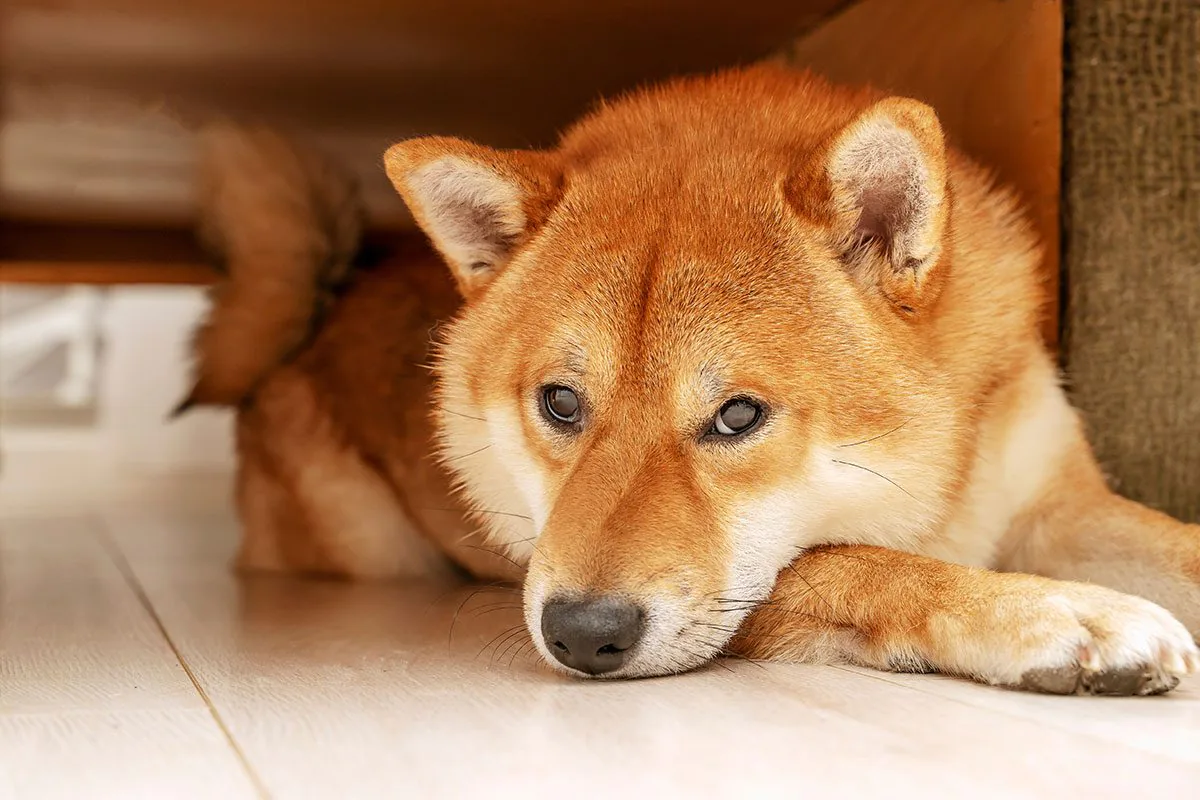
What Causes Stress Colitis in Dogs?
The colon plays a central role in water absorption, stool storage, and electrolyte balance. When stress triggers inflammation, the colon loses its ability to regulate fluid movement and normal motility patterns. That disruption explains why stress colitis often produces soft stool, mucus, and straining rather than large volumes of watery diarrhea. Veterinarians frequently connect stress colitis in dogs to both psychological stressors and physical stress on the body, because the gut and brain communicate constantly through the gut–brain axis. Stress hormones such as cortisol influence intestinal movement, blood flow to the digestive tract, and immune activity in the colon lining.
Common stress triggers that affect the colon
- Boarding, kenneling, or travel
- New pets, visitors, or household routine changes
- Loud events such as storms, fireworks, or construction noise
- Recent illness, surgery, or injury
- Sudden diet changes or dietary indiscretion
These events activate the body’s stress response, releasing hormones that influence gut function. Increased motility pushes stool through the colon too quickly, limiting water absorption and stool formation. At the same time, inflammation irritates the colon lining, which produces excess mucus as a protective response. Shifts in the intestinal microbiome can also occur during stress, which may worsen irritation and prolong symptoms. This combination of factors explains why stress colitis can appear abruptly after a disruptive event.
What Are the Signs of Stress Colitis?
Dogs with stress induced colitis often appear bright and alert despite having dramatic stool changes. Unlike small intestinal diarrhea, which typically causes large volumes of watery stool and weight loss over time, stress colitis produces frequent, small bowel movements that may look soft or jelly-like. Owners often see straining or urgency, and accidents can happen because the urge to defecate feels immediate and difficult to control. Some dogs posture repeatedly with little stool produced, which can concern owners who suspect constipation. The key difference is that the colon feels irritated rather than blocked.
Common signs include:
- Frequent attempts to defecate
- Small amounts of soft or loose stool
- Mucus coating the stool surface
- Bright red streaks of blood from colon irritation
- Mild abdominal discomfort or restlessness
- Increased urgency to go outside
Many dogs maintain a normal appetite and energy level, which can make the problem seem less serious. However, persistent diarrhea still leads to fluid loss and inflammation, so veterinarians take these symptoms seriously. Repeated straining can also cause additional irritation around the rectum, which may increase discomfort if the condition continues without care.
How Do Veterinarians Diagnose Stress Colitis in Dogs?
A veterinarian evaluates a dog with suspected stress colitis by combining history, physical exam findings, and targeted diagnostics. Your care team will ask about recent stressors, diet changes, travel, boarding, or illness to identify possible triggers. This timeline often provides a key clue when symptoms begin shortly after a stressful event. The physical exam helps rule out dehydration, abdominal pain, fever, or signs of systemic disease that would suggest a more serious problem. Careful palpation of the abdomen allows the veterinarian to assess for thickened intestines, gas, or discomfort.
Diagnostic steps may include:
- Fecal testing to check for parasites, bacterial imbalance, or infectious organisms
- Assessment for dietary causes or recent food changes
- Screening bloodwork if symptoms persist or systemic illness is suspected
- Evaluation of hydration status and overall stability
These steps help confirm stress colitis while ensuring another condition does not cause the symptoms. Many gastrointestinal issues, including parasites, food intolerance, inflammatory bowel disease, and infections, can mimic stress colitis. A structured diagnostic approach protects your dog by identifying underlying disease early if present. Even when stress appears to be the main trigger, testing provides reassurance and guides appropriate care.
How Is Stress Colitis Treated?
Veterinary care for stress colitis focuses on reducing colon inflammation, supporting gut recovery, and addressing the stress trigger when possible. Early intervention often shortens the duration of diarrhea and prevents complications such as dehydration. Because stress colitis affects the large intestine, treatment goals center on restoring normal stool formation and calming irritation in the colon lining. Your veterinarian will tailor the plan based on your dog’s age, overall health, and symptom severity. Follow-up monitoring ensures that recovery progresses as expected.
Veterinarians may recommend:
- Temporary diet adjustments that support colon healing and healthy stool formation
- Strategies to reduce environmental or emotional stressors at home
- Fluid support if dehydration develops or risk is present
- Probiotics or gut-supportive measures chosen by your veterinary team
Dogs often improve quickly once inflammation settles and stress levels stabilize, sometimes within a few days. Ongoing diarrhea, worsening symptoms, or changes in behavior require re-evaluation to rule out other gastrointestinal disorders. Prompt reassessment ensures that treatment remains appropriate and that another disease does not develop alongside stress colitis.
Is Stress Colitis in Dogs Deadly?
Most cases of stress colitis resolve with appropriate veterinary care and do not become life-threatening. The condition primarily affects the colon and typically does not cause the severe systemic illness associated with some infectious or inflammatory diseases. However, prolonged diarrhea can lead to dehydration, electrolyte imbalance, and weakness, especially in small dogs, puppies, seniors, or dogs with underlying medical issues. Repeated fluid loss places strain on the body, which can make recovery slower if care is delayed. Monitoring for changes in energy, appetite, and hydration remains important.
Seek prompt veterinary attention if you notice:
- Lethargy, weakness, or collapse
- Vomiting along with diarrhea
- Refusal to eat or drink
- Large amounts of blood in stool or dark, tarry stool
- Symptoms lasting longer than a few days or worsening over time
Early care protects against complications and helps your veterinarian confirm that stress colitis remains the primary issue. Fast evaluation also allows your care team to rule out emergencies that can resemble stress colitis but require different treatment.
When Should You Call Brown Veterinary Hospital?
Any sudden change in stool warrants attention, particularly when blood or mucus appears. While stress colitis in dogs often improves with treatment, other conditions can present similarly and require different care. A timely exam helps your veterinary team distinguish between stress-related inflammation and more serious gastrointestinal disease. Early care also keeps your dog comfortable, limits ongoing irritation, and reduces the risk of dehydration. Professional guidance ensures that recovery stays on track and that future stress triggers receive attention.
Call (812) 645-0715 to learn more or request an appointment if your dog shows signs of stress colitis. Your veterinary team can assess symptoms, identify contributing stressors, and guide your dog back toward normal digestive health.
Recent Posts

About Brown Veterinary Hospital
We are here to serve as your partner in keeping your four-legged family member healthy, ensuring you have all the tools you need to provide them with a lifetime of outstanding care. Our animal hospital in Terre Haute offers a full range of services to nurture and extend your pet’s life, from wellness and preventative care to critical care, exotic pet care, and dermatology.