
Gingivitis in Dogs: Signs, Causes, and Treatment
Gingivitis in dogs is inflammation of the gums caused by plaque bacteria building up along the gumline, and it is one of the most common health problems veterinarians diagnose. It is also the only stage of dental disease that can be fully reversed with prompt professional care. Left untreated, though, gum inflammation can progress into periodontal disease, which damages the tissue and bone that hold your dog’s teeth in place. Many pet parents in Terre Haute don’t notice the early warning signs until their dog’s breath becomes impossible to ignore. At Brown Veterinary Hospital, we help families catch gum problems early, when treatment is simpler and the outlook is best. In this guide, we explain what gingivitis in dogs looks like, why it develops, how veterinarians diagnose and treat it, and what you can do to protect your dog’s smile for years to come.
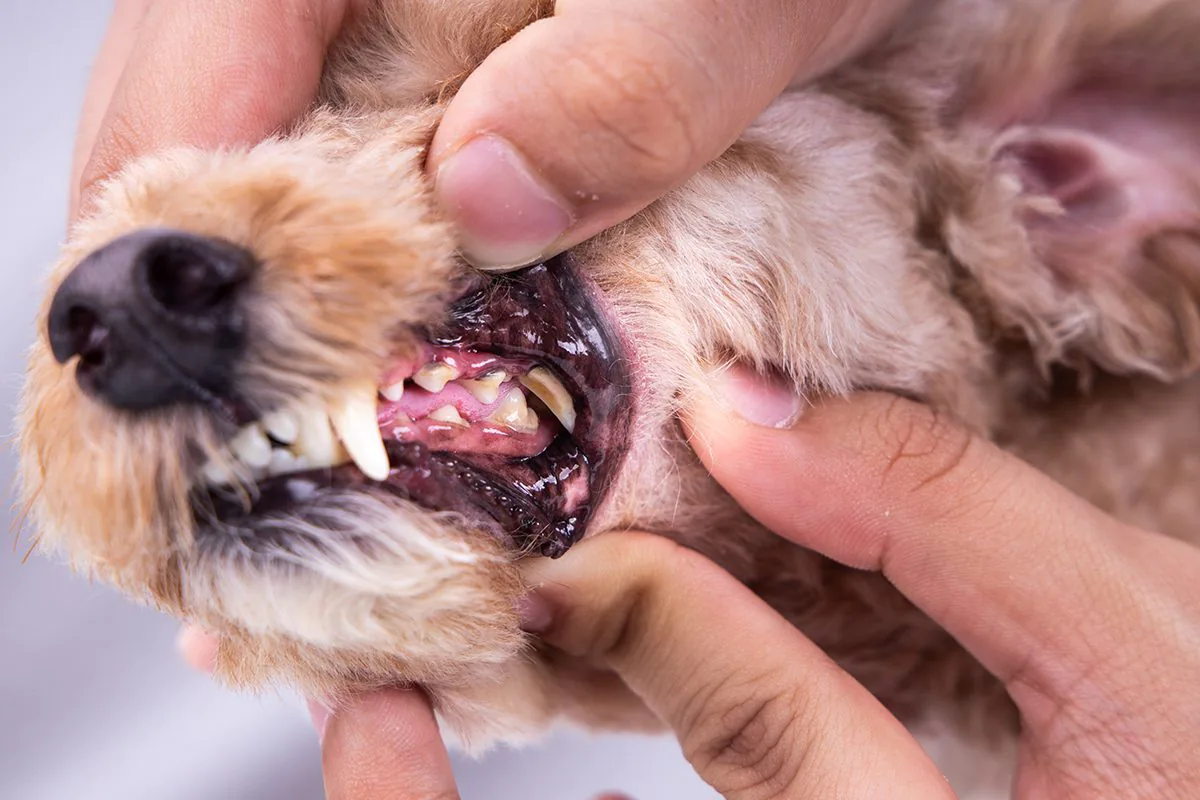
What Is Gingivitis in Dogs?
Understanding how gum inflammation begins makes it much easier to recognize and address.
Every time your dog eats, food particles and bacteria mix with saliva and form a soft, sticky film called plaque. Plaque starts collecting on the teeth within hours of a meal. If it isn’t removed, minerals in your dog’s saliva harden it into tartar (also called calculus) within just a few days. Tartar has a rough surface that attracts even more bacteria, and it creeps beneath the gumline where it irritates the delicate tissue. Your dog’s immune system responds to that bacterial invasion with inflammation, and the result is red, swollen, tender gums. That inflammation is what veterinarians call gingivitis.
How Common Is Gum Disease in Dogs?
Dental disease is remarkably widespread. Veterinary dental organizations estimate that most dogs show some sign of dental disease by the time they reach three years of age. Because gingivitis in dogs is the first step in that process, it affects puppies and young adults far more often than many owners expect.
Gingivitis vs. Periodontal Disease
Veterinarians stage dental disease based on how much damage has occurred to the structures supporting each tooth. Knowing these stages explains why early detection matters so much:
- Stage 1 (gingivitis): Gums are inflamed, but the bone and attachment tissue remain healthy. This stage is reversible.
- Stage 2 (early periodontitis): Up to 25 percent of the tooth’s attachment has been lost.
- Stage 3 (moderate periodontitis): Between 25 and 50 percent of attachment loss has occurred.
- Stage 4 (advanced periodontitis): More than half of the attachment is gone, and teeth may become loose or require extraction.
Once a dog moves past stage one, the bone and ligament loss is permanent. Treatment can stop further damage, but it cannot rebuild what has already been lost. That is why addressing gingivitis in dogs at the very first stage makes such a difference.
Signs of Gingivitis in Dogs to Watch For
Dogs are experts at hiding discomfort, so subtle changes in their mouth or behavior often provide the first clues.
Most owners don’t get a close look at their dog’s gums on a regular basis, which is why gum inflammation often goes unnoticed for months. Lifting your dog’s lip during a calm moment, such as after a walk or while relaxing on the couch, can give you a quick view of the gumline. Healthy dog gums are typically pink (or naturally pigmented black in some breeds) and fit snugly against the teeth.
Common symptoms of gingivitis in dogs include:
- A red or purplish line along the edge of the gums where they meet the teeth
- Puffy or swollen gum tissue
- Traces of blood on chew toys, rawhides, or the edge of the water bowl
- Persistent bad breath that doesn’t improve
- Yellow or brown buildup on the teeth, especially the back molars and upper canines
- Pawing at the mouth or rubbing the face against furniture or carpet
- Chewing on one side, dropping kibble, or eating more slowly than usual
- Reluctance to play tug or pick up favorite toys
Why Bad Breath Deserves Attention
Many people assume “dog breath” is normal, but a strong, foul odor usually signals a buildup of bacteria in the mouth. It is one of the earliest and most noticeable indicators of gum trouble, and it is worth mentioning to your veterinarian rather than masking with treats or sprays.
When Should You Schedule a Dental Exam?
If you notice any of the signs above, it’s time to book an appointment. The team at Brown Veterinary Hospital also checks your dog’s teeth and gums during every wellness visit, so annual or twice-yearly exams give you a reliable way to catch problems before your dog shows obvious symptoms.
What Causes Gingivitis in Dogs?
Plaque bacteria are the root cause, but several factors can make some dogs far more prone to gum inflammation than others.
Plaque and Tartar Buildup
Bacteria in plaque release toxins that irritate gum tissue. When tartar forms, it provides a protected place for those bacteria to multiply, especially in the small pocket between the tooth and the gum. Without professional removal, this cycle continues and inflammation steadily worsens. Tartar cannot be scraped away safely at home or removed by chews alone once it has hardened, particularly below the gumline where the most harmful bacteria live.
Risk Factors That Raise Your Dog’s Chances
While any dog can develop gum disease, certain traits and circumstances increase the likelihood:
- Breed and size: Small and toy breeds such as Chihuahuas, Yorkshire Terriers, Dachshunds, Maltese, and Pomeranians have teeth packed closely together in small jaws, which traps plaque.
- Face shape: Flat-faced breeds like Pugs, Shih Tzus, and Bulldogs often have crowded or rotated teeth.
- Retained baby teeth: Puppy teeth that don’t fall out create overlapping spaces where debris collects.
- Age: Older dogs have had more years of plaque exposure and may have weaker immune responses.
- Underlying health conditions: Diabetes, kidney disease, and immune disorders can make gum tissue more vulnerable.
- Lack of routine dental care: Dogs who have never had a professional cleaning or regular oral exams face a higher risk.
Diet also plays a role, although no single food can prevent gingivitis in dogs on its own. Your veterinarian can help you weigh how your dog’s diet, chewing habits, and genetics fit into the bigger picture.
How Is Dog Gingivitis Treated?
Professional veterinary care is the most effective and dependable way to reverse gingivitis in dogs and protect your pet’s long-term oral health.
Diagnosis Starts with an Oral Exam
Your veterinarian will begin by examining your dog’s mouth while they are awake, looking at gum color, tartar levels, tooth wear, and any areas of swelling or discomfort. This exam gives a general picture, but it only reveals part of the story. Roughly 60 percent of each tooth sits below the gumline, out of sight. A complete assessment requires anesthesia so the veterinarian can probe each tooth for pockets and take dental X-rays to evaluate the roots and surrounding bone.
Professional Dental Cleaning Under Anesthesia
The cornerstone of treating gingivitis in dogs is a thorough professional cleaning, sometimes called a COHAT (comprehensive oral health assessment and treatment). Before the procedure, pre-anesthetic bloodwork helps confirm your dog is a good candidate for anesthesia. During the cleaning, a trained team monitors heart rate, breathing, oxygen levels, and temperature while the veterinarian:
- Removes plaque and tartar above and below the gumline with ultrasonic and hand scalers
- Measures pocket depth around every tooth
- Captures dental radiographs to look for hidden problems
- Polishes the teeth to smooth the surface and slow future plaque buildup
Anesthesia-free cleanings may make teeth look whiter, but they cannot reach beneath the gumline, where gingivitis in dogs actually does its damage. Leading veterinary organizations, including the American Animal Hospital Association, recommend anesthesia for all professional dental cleanings.
Ongoing Care After Treatment
After a cleaning, your veterinarian will discuss a follow-up plan tailored to your dog. This may include recommendations for products that carry the Veterinary Oral Health Council (VOHC) Seal of Acceptance, a schedule for recheck visits, and guidance on how often future cleanings may be needed. Dogs with mild gingivitis often see healthy pink gums return within a few weeks of professional treatment.
Protect Your Dog’s Smile at Brown Veterinary Hospital
Healthy gums do far more than freshen breath. They help your dog eat comfortably, play happily, and avoid the pain and tooth loss that come with advanced periodontal disease. Because gingivitis in dogs is reversible when caught early, regular dental exams are one of the most valuable investments you can make in your pet’s health. At Brown Veterinary Hospital in Terre Haute, IN, our team provides thorough oral exams, digital dental X-rays, and safe, carefully monitored professional cleanings for dogs of every age and size. Whether you’ve spotted red gums, noticed a lingering odor, or simply can’t remember your dog’s last dental checkup, we’re here to help. Call us at (812) 645-0715 to schedule a dental exam, and let our team give your dog the healthy, comfortable smile they deserve.
Recent Posts
About Brown Veterinary Hospital
We are here to serve as your partner in keeping your four-legged family member healthy, ensuring you have all the tools you need to provide them with a lifetime of outstanding care. Our animal hospital in Terre Haute offers a full range of services to nurture and extend your pet’s life, from wellness and preventative care to critical care, exotic pet care, and dermatology.