
When Is a Dog Considered a Senior?
Most dogs are considered seniors around 7 years of age, but the exact timing depends largely on size and breed, with giant breeds aging sooner and small breeds later. Veterinary guidelines now define a senior dog as one in the last quarter of its expected lifespan, which means a Great Dane may reach that stage around 5 or 6, while a Chihuahua might not get there until 10 or 12. Knowing when is a dog considered a senior matters because older dogs face higher risks for conditions like arthritis, dental disease, kidney problems, and cancer, many of which develop quietly at first. At Brown Veterinary Hospital in Terre Haute, we help families recognize this life stage early and adjust care before small changes turn into bigger health concerns. In this guide, we break down senior age by size, the signs of aging to watch for, common health issues in older dogs, and how veterinary care evolves in the golden years.
How Old Is a Senior Dog?
There’s no single birthday that turns every dog into a senior, and size is the biggest reason why.
The old idea that one dog year equals seven human years has been replaced by a more accurate picture. Dogs mature quickly during their first two years, then age at different rates depending on their size. Larger dogs tend to have shorter lifespans and show signs of aging earlier, while smaller dogs often live well into their teens. So, when is a dog considered a senior? The American Animal Hospital Association recommends thinking of the senior stage as the final 25 percent of a dog’s estimated lifespan.
Senior Age by Size
Here’s a general guide to when is a dog considered a senior, based on adult size:
- Small breeds (under 20 pounds): Around 10 to 12 years old, with breeds like Dachshunds, Shih Tzus, and Toy Poodles often living 15 years or more.
- Medium breeds (20 to 50 pounds): Around 8 to 10 years old, including breeds like Beagles, Border Collies, and Cocker Spaniels.
- Large breeds (50 to 90 pounds): Around 7 to 8 years old, such as Labrador Retrievers, Golden Retrievers, and German Shepherds.
- Giant breeds (over 90 pounds): As early as 5 to 6 years old, including Great Danes, Mastiffs, Newfoundlands, and Saint Bernards.
What About Mixed Breeds?
For mixed-breed dogs, adult weight is usually the best predictor. Genetics, lifestyle, and overall health also play a role, so your veterinarian can give you the most accurate answer to when is a dog considered a senior for your individual pet. A dog that has carried extra weight, lived with chronic illness, or worked hard physically may show signs of aging sooner than the averages suggest, while a fit, healthy dog may seem youthful well past the typical milestone.
Signs Your Dog Is Entering Their Senior Years
Aging happens gradually, so the earliest changes are easy to overlook or dismiss as “just slowing down.”
Many owners only start asking when is a dog considered a senior after they notice their companion behaving differently. While some changes are a normal part of getting older, others can signal treatable medical conditions. Paying attention and sharing what you see with your veterinarian helps separate typical aging from health problems that need care.
Common signs of aging in dogs include:
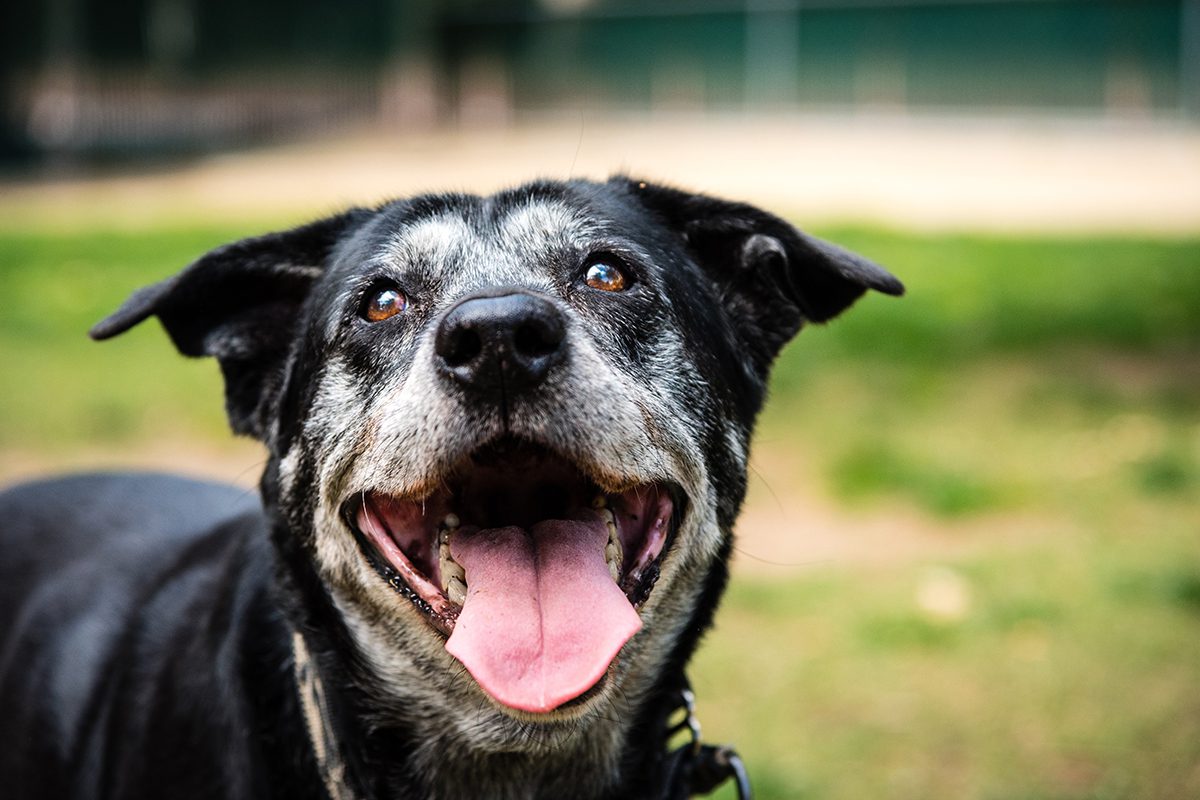
- Graying fur around the muzzle, eyes, and face
- Sleeping more during the day or restlessness at night
- Stiffness when getting up, especially after resting
- Hesitation on stairs, slippery floors, or jumping into the car
- A bluish or cloudy haze in the eyes
- Reduced hearing or less response to familiar cues
- Weight gain from lower activity, or weight loss despite a normal appetite
- Changes in thirst, urination, or house-training habits
Behavior and Cognitive Changes
Some older dogs develop canine cognitive dysfunction, a condition similar to dementia in people. Signs may include confusion in familiar places, staring at walls, changes in sleep patterns, increased anxiety, or forgetting previously learned routines. Your veterinarian can evaluate these changes and discuss ways to support your dog’s comfort and quality of life. Mentioning behavior shifts early matters, since some medical problems, including pain and thyroid disease, can look a lot like cognitive decline.
Common Health Concerns in Older Dogs
The risk of many chronic conditions rises steadily once dogs reach their senior years.
Understanding when is a dog considered a senior helps you anticipate which health issues may appear and when to start screening for them. Many age-related diseases progress slowly and show few outward symptoms until they are well established. Detecting them early often allows for more treatment options and better long-term comfort.
Conditions veterinarians frequently diagnose in senior dogs include:
- Osteoarthritis: Joint inflammation and cartilage wear that cause stiffness, limping, and reduced activity.
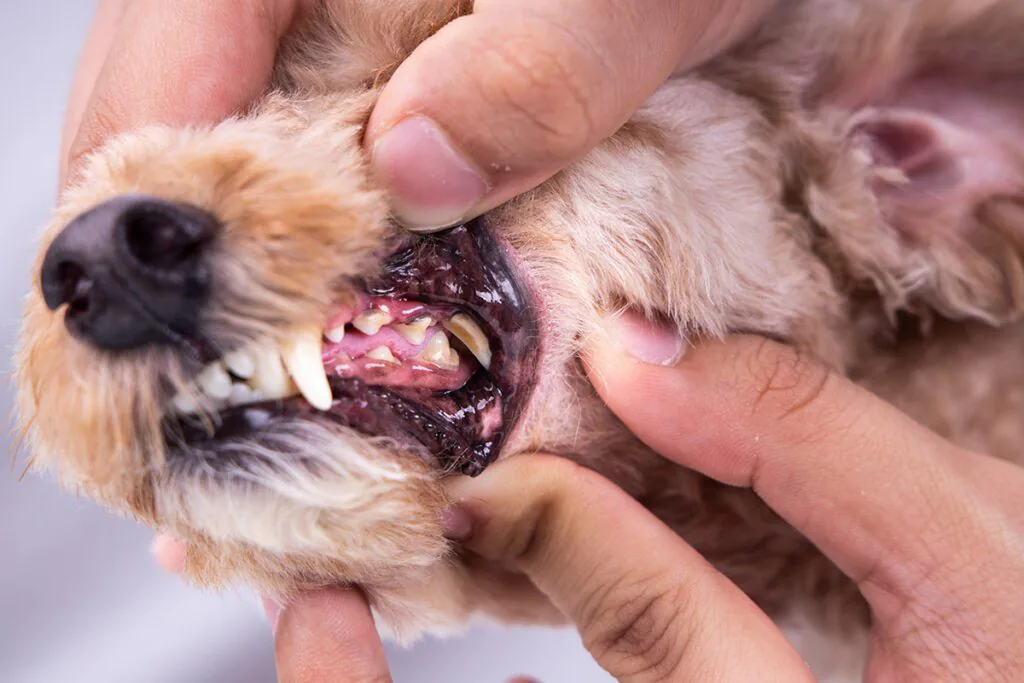
- Dental disease: Tartar buildup, gum inflammation, and tooth loss that can cause pain and affect other organs.
- Kidney disease: A gradual decline in kidney function, often first noticed as increased thirst and urination.
- Heart disease: Valve problems and heart muscle changes that may cause coughing, fatigue, or breathing changes.
- Endocrine disorders: Hypothyroidism, diabetes, and Cushing’s disease become more common with age.
- Cancer: The likelihood of tumors increases in older dogs, making new lumps and bumps worth checking.
Why Dogs Hide Pain
Dogs are naturally good at masking discomfort. A senior dog with arthritis may simply lie down more, avoid long walks, or become less interested in play. These subtle shifts are often the only clues that something hurts, which is why regular veterinary exams are so valuable during this stage. If you aren’t sure when is a dog considered a senior in your household, any new reluctance to move is a good reason to schedule a checkup.
How Senior Dog Care Changes
As your dog ages, veterinary care shifts from routine maintenance toward early detection and comfort.
Once you know when is a dog considered a senior for your specific pet, it becomes easier to plan ahead. The American Animal Hospital Association recommends that senior dogs see their veterinarian at least twice a year. Because dogs age faster than people, six months in a senior dog’s life is roughly equivalent to several years for a human, and a lot can change between visits.
Senior Screening Tests
Your veterinarian may recommend baseline and follow-up diagnostics to monitor organ function and catch disease early. These often include a complete blood count, chemistry panel, urinalysis, thyroid testing, and blood pressure measurement. Depending on your dog’s history, X-rays, ultrasound, or heart evaluations may also be suggested. Many veterinarians like to run baseline tests a year or two before a dog reaches the senior milestone, so they have healthy values to compare against later. Your veterinarian at Brown Veterinary Hospital can tell you when is a dog considered a senior for your breed and when that first screening makes sense.
Nutrition, Mobility, and Comfort
Senior dogs may benefit from adjustments to their diet, exercise routine, and home environment. Your veterinarian can recommend an appropriate food, discuss weight management, and talk through options for joint support and pain management based on your dog’s needs. Small household changes, like rugs on slick floors or ramps for the car, can also help older dogs move more confidently. Owners wondering when is a dog considered a senior often find that these adjustments are easier to make gradually, before mobility becomes a real struggle.
Supporting Your Dog’s Golden Years at Brown Veterinary Hospital
Senior dogs bring a special kind of companionship, and with thoughtful care, many enjoy happy, active lives well into their later years. Knowing when is a dog considered a senior gives you a head start on spotting changes, scheduling the right screenings, and making adjustments that keep your pet comfortable. At Brown Veterinary Hospital in Terre Haute, IN, our team offers twice-yearly senior wellness exams, comprehensive bloodwork and urinalysis, dental care, arthritis management, and nutrition guidance tailored to aging pets. We take time to listen to your observations at home, because you know your dog better than anyone. If your dog is approaching their senior years or you’ve noticed signs of aging, call us at (812) 645-0715 to schedule a senior wellness visit and build a care plan for the years ahead.
Recent Posts



About Brown Veterinary Hospital
We are here to serve as your partner in keeping your four-legged family member healthy, ensuring you have all the tools you need to provide them with a lifetime of outstanding care. Our animal hospital in Terre Haute offers a full range of services to nurture and extend your pet’s life, from wellness and preventative care to critical care, exotic pet care, and dermatology.