
Can Dogs Get Cavities? What Terre Haute Pet Owners Should Know
Yes, dogs can get cavities, but tooth decay is far less common in dogs than in people. Veterinary research suggests that only around 5% of dogs develop true cavities, largely because canine saliva, tooth shape, and typical diets create a poor environment for decay-causing bacteria. Still, rare does not mean impossible, and a cavity that goes unnoticed can lead to pain, infection, and eventual tooth loss. At Brown Veterinary Hospital in Terre Haute, IN, pet parents often ask us, “Can dogs get cavities the same way children do?” The process is similar, but the risk factors and warning signs look a bit different in a dog’s mouth. In this guide, we cover what canine cavities look like, why they form, how veterinarians diagnose and treat them, and which everyday habits help protect your dog’s smile for years to come. Understanding the basics now makes it much easier to spot a problem early.
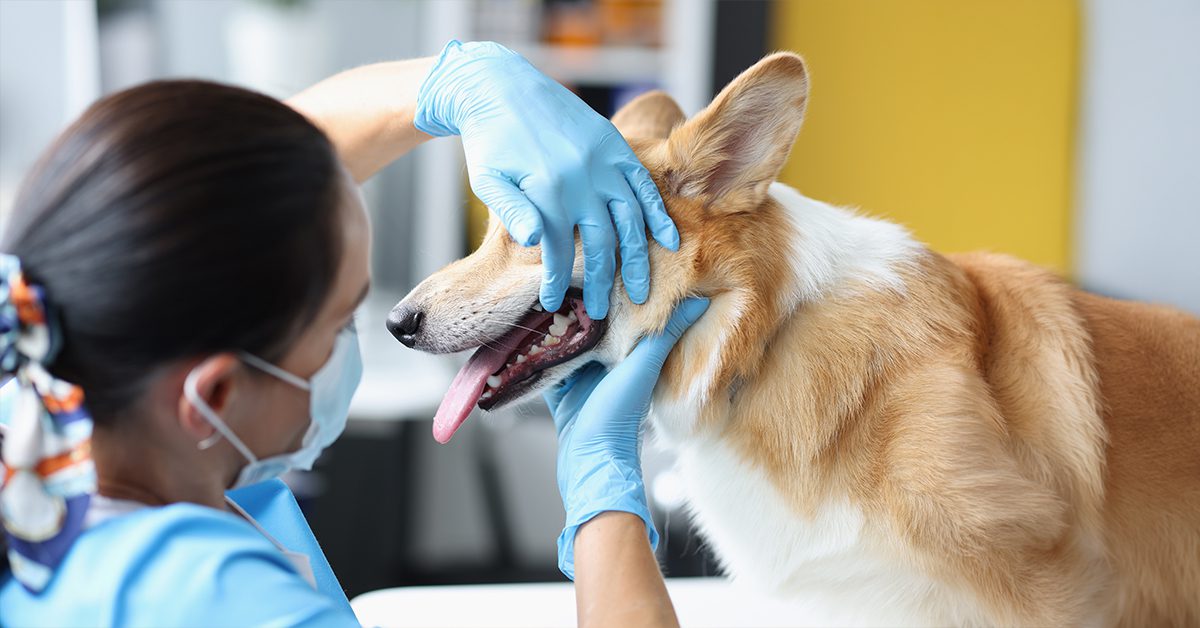
What Do Dog Cavities Look Like?
Dog cavities usually show up as dark brown or black spots on the chewing surfaces of the back teeth, most often the large upper molars. Unlike tartar, which builds up as a rough, yellowish-brown crust on top of the tooth, a cavity is an area where the enamel itself has broken down. As decay progresses, that spot can become soft, sunken, or pitted.
Early cavities are easy to miss. They often hide in the deep pits and grooves of the molars, far back in the mouth where most owners rarely get a good look. A small dark dot may be the only visible clue, and some decay sits below the gumline where no one can see it without dental X-rays.
Where Cavities Tend to Form
The upper first molars are the most common location because their broad, flat surfaces trap food particles. Cavities can also develop on teeth that have been fractured or worn down, since the exposed inner layer of the tooth (called dentin) is softer and more vulnerable than enamel.
Behavior Changes That May Point to a Cavity
Dogs are experts at hiding discomfort, so changes in behavior are often the first hint that something is wrong. Watch for:
- Chewing on only one side of the mouth
- Dropping food or kibble while eating
- Pawing at the face or rubbing the muzzle on the floor
- Reluctance to play with chew toys they once loved
- Bad breath that does not improve
- Drooling more than usual, sometimes with a trace of blood
Any of these signs deserves a veterinary dental exam, since they can also signal fractured teeth, gum disease, or oral growths.
Why Is Tooth Decay So Uncommon in Dogs?
Several natural advantages protect most dogs from tooth decay, even though their mouths are far from germ-free. Understanding these defenses also helps explain why some dogs still end up with cavities.
How a Dog’s Mouth Resists Decay
Human saliva is slightly acidic, while canine saliva tends to be more alkaline. That higher pH helps neutralize the acids that eat away at enamel. Dogs also carry fewer of the specific bacteria strains that drive cavities in people. Their teeth are largely cone-shaped, with fewer flat surfaces where food can sit for long periods. Finally, most dogs eat diets lower in simple sugars than the average human diet, which leaves less fuel for decay-causing bacteria.
Factors That Raise Your Dog’s Risk
Even with these built-in protections, certain conditions tip the balance toward decay. Common contributors include:
- Frequent sugary or starchy table scraps and human snacks
- Molars with especially deep pits and grooves
- Reduced saliva production linked to certain medical conditions or medications
- Fractured or heavily worn teeth with exposed dentin
- Long gaps between professional dental exams and cleanings
Cavities vs. Periodontal Disease
It helps to keep perspective. While cavities in dogs are uncommon, periodontal disease is extremely common. Most dogs show some signs of gum disease by age three. Periodontal disease affects the gums, ligaments, and bone that hold teeth in place, and it remains the biggest dental threat for the average dog. A good dental care plan addresses both problems at once. In fact, many owners who come in asking whether dogs can get cavities discover that their pet’s real issue is inflamed gums or tartar buried below the gumline. That is one more reason a professional exam matters more than guessing from home.
How Do Veterinarians Diagnose and Treat a Cavity in a Dog?
Diagnosing a dog cavity requires a thorough oral exam and, in nearly every case, dental radiographs taken while your pet is under anesthesia. An awake exam gives your veterinarian a useful first look, but it cannot reveal everything happening inside a tooth or beneath the gums.
Finding the Problem
During a professional dental procedure, the veterinary team examines each tooth individually, probes for soft spots or pockets, and takes X-rays to see the roots and inner structures. Roughly half of each tooth sits below the gumline, so radiographs are essential for judging how deep decay extends. Veterinarians typically classify cavities in stages, ranging from damage limited to the enamel all the way to decay that reaches the pulp, where the tooth’s nerves and blood vessels live.
Treatment Options Depend on the Stage
Your veterinarian will recommend a plan based on how far the decay has spread and the overall health of the tooth. Early cavities may be cleaned out and sealed with a filling material, much like in human dentistry. When decay reaches the pulp, options may include a root canal, which is often performed by a board-certified veterinary dentist, or extraction of the affected tooth. Many owners worry about extractions, but dogs adapt remarkably well and often eat more comfortably once a painful tooth is gone.
Because every case is different, only a veterinarian who has examined your dog and reviewed the X-rays can recommend the right approach. Treating decay early typically means a simpler procedure and a faster recovery. Your veterinary team will also explain anesthesia safety measures, such as pre-anesthetic bloodwork and continuous monitoring, so you feel confident about the visit from start to finish.
What Helps Prevent Cavities in Dogs?
Prevention is the best way to protect your dog from cavities, gum disease, and the discomfort that comes with both. A strong prevention plan combines regular veterinary care with sensible habits at home.
Partnering With Your Veterinary Team
Annual wellness visits give your veterinarian a chance to spot early changes, such as discoloration, tartar buildup, or inflamed gums, before they turn into bigger problems. Professional dental cleanings under anesthesia allow the team to clean below the gumline, polish the enamel, and take radiographs that reveal hidden decay. Many dogs benefit from a cleaning every one to two years, though some breeds, especially small and toy dogs, may need them more often.
Everyday Habits That Support Healthy Teeth
Your daily choices make a real difference between veterinary visits. Consider these habits:
- Ask your veterinarian to recommend a home dental care routine that fits your dog’s age, size, and temperament
- Look for products carrying the Veterinary Oral Health Council (VOHC) seal of acceptance
- Choose chews that bend slightly under pressure rather than rock-hard bones or antlers, which can fracture teeth
- Lift your dog’s lips once a week to check for dark spots, swelling, or broken teeth
- Stick to dog-appropriate treats rather than cookies, candy, or bread
Consistency matters more than perfection. Small steps taken regularly add up to a healthier mouth over your dog’s lifetime. Puppies who get used to having their mouths handled early tend to accept dental checks more calmly as adults, which makes both home care and veterinary exams less stressful. Senior dogs deserve extra attention too, since older teeth are more likely to be worn, cracked, or affected by gum recession that exposes vulnerable root surfaces.
Schedule Your Dog’s Dental Exam in Terre Haute
So, can dogs get cavities? They can, even though it happens less often than in people, and both decay and gum disease can cause real pain if they go untreated. The good news is that routine exams, professional cleanings, and smart habits at home go a long way toward protecting your dog’s teeth. If you have noticed a dark spot on a tooth, a change in how your dog eats, or breath that just will not freshen up, it is time for a closer look. The caring team at Brown Veterinary Hospital provides thorough dental exams, digital radiographs, and professional cleanings for dogs throughout Terre Haute and the surrounding Wabash Valley. We will walk you through what we find and help you choose the best next step for your pet. Call us today at (812) 645-0715 to schedule your dog’s dental appointment.
Recent Posts



About Brown Veterinary Hospital
We are here to serve as your partner in keeping your four-legged family member healthy, ensuring you have all the tools you need to provide them with a lifetime of outstanding care. Our animal hospital in Terre Haute offers a full range of services to nurture and extend your pet’s life, from wellness and preventative care to critical care, exotic pet care, and dermatology.